In the dynamic landscape of warehousing and logistics, efficiency, reliability, and safety are paramount. As the demand for faster order fulfillment continues to rise, warehouses are increasingly turning to lithium batteries as a power solution to meet these evolving needs. In this article, we will explore the compelling reasons behind this shift and the benefits that lithium batteries offer to warehouse operations.
Superior Performance and Efficiency
Lithium batteries offer superior performance and efficiency compared to lead-acid batteries, particularly when it comes to powering warehouse equipment such as forklifts, pallet jacks, and order pickers. In fact, lithium batteries provide a 99 percent efficient recharge process, roughly 25 to 30 percent higher than lead-acid batteries. Their rapid-charging capabilities also eliminate the need for lengthy battery swapping or changing procedures, optimizing workflow and productivity. Cold storage facilities especially benefit from specific types of lithium batteries, such as the InSight batteries, which offer 2.5 times more efficient operation at low temperatures. Additionally, lithium batteries offer 25 to 50 percent more usable capacity than lead-acid batteries, with full power available through most of the discharge. With faster charging capabilities and higher energy density, lithium batteries enable longer operating times and reduced downtime for charging, allowing warehouse operations to run smoothly and efficiently.
Extended Lifespan and Reduced Maintenance
One of the key advantages of lithium batteries is their extended lifespan and minimal maintenance requirements. Unlike lead-acid batteries, which often require regular watering, equalizing charges, and more frequent replacements, lithium batteries are maintenance-free. Additionally, if operated in partial states of charge, lithium batteries do not sustain any damage, which is not the case with lead-acid batteries. Partial states of charge are in fact the leading causes of early failure in lead-acid batteries. With up to a ten times longer cycle life compared to lead-acid batteries, alongside greater durability, lithium batteries can withstand thousands of charge-discharge cycles without experiencing performance degradation. This directly results in lower total cost of ownership and reduced downtime for maintenance activities.
Space Savings and Weight Reduction
Lithium batteries are compact and lightweight compared to their lead-acid counterparts, offering valuable space savings and weight reduction benefits in material handling applications. The smaller footprint of lithium batteries allows for more efficient utilization of storage space within warehouse facilities, maximizing floor space for inventory storage or operational activities. Additionally, the reduced weight of lithium batteries contributes to improved maneuverability and energy efficiency of warehouse equipment, resulting in smoother operation and reduced wear and tear on machinery. The reduced weight of lithium batteries makes them much easier to install as well. The RELiON InSight 24V 60Ah lithium battery, for example, weighs about 1/3 of what a flooded lead-acid battery weighs. It also is a standard GC2 size case, which will fit in your existing battery compartment so there are no tray modifications needed. Hands down, the most challenging part of switching your electric pallet jack to lithium batteries will be removing the heavy lead-acid batteries from the machine.
Enhanced Safety
Lithium-ion phosphate (LFP) batteries offer the safest lithium chemistry available today. Since LFP batteries are not cobalt-based, they are not prone to thermal runaway or fire and do not require additional cooling systems. Additionally, lithium batteries like RELiON’s come with a proprietary smart battery management system (BMS) that protects against over-charging, over-discharging, unregulated temperature, and short circuit conditions. Workers are also more protected when using lithium batteries because they are not having to change out heavy lead-acid batteries, risking injury, equipment damage, or acid spills. Reduced chances of worker injuries provide peace of mind to workers and minimize labor costs for operators in the long run.
Compatibility with Automation and IoT Integration
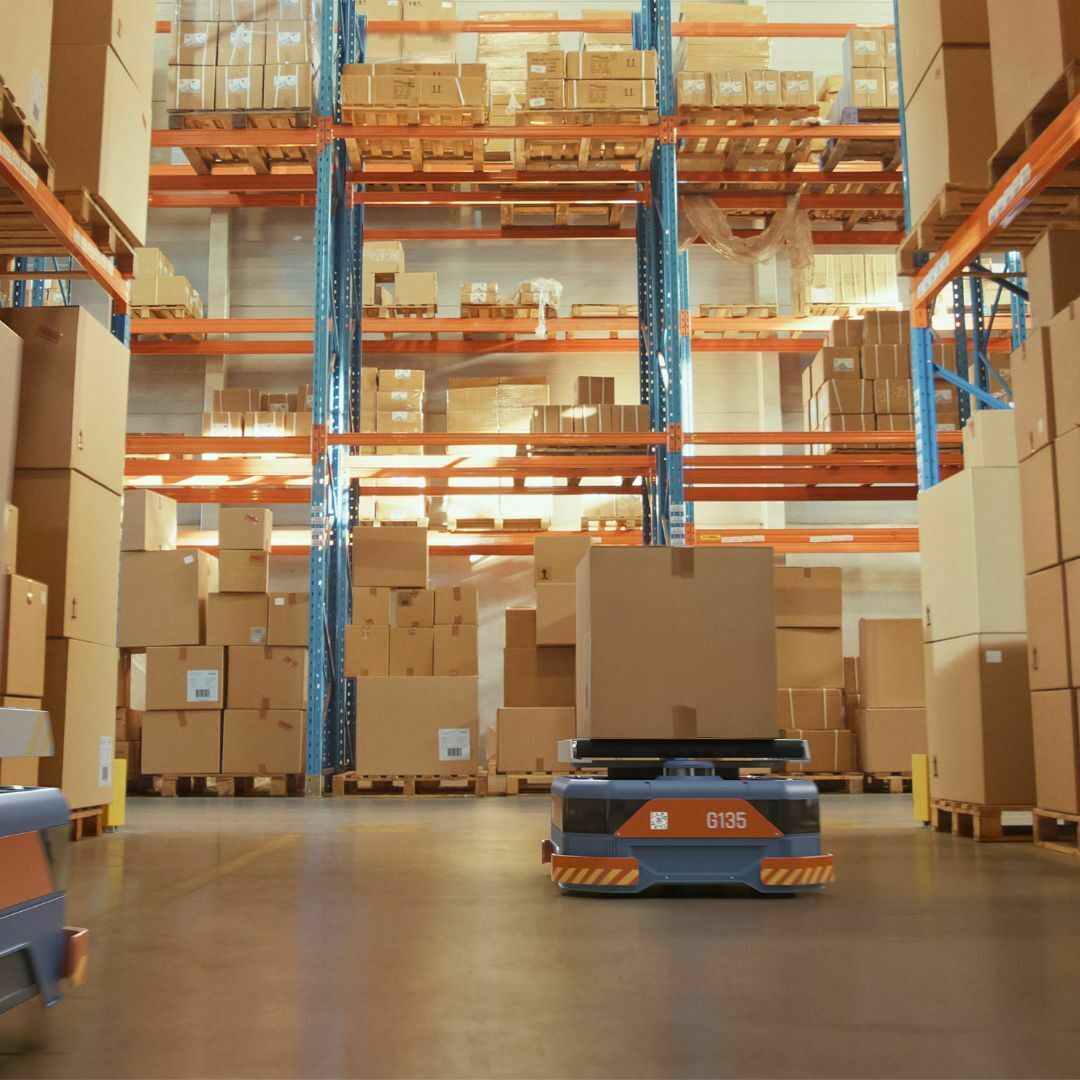
In an era of digital transformation, warehouses are embracing automation and Internet of Things (IoT) technologies to optimize operations and enhance efficiency. Lithium batteries are well-suited for integration with automated material handling systems and IoT-enabled equipment, thanks to their high energy density, fast-charging capabilities, and compatibility with advanced power management systems. By leveraging lithium batteries, warehouses can seamlessly integrate with smart technologies, such as predictive maintenance, asset tracking, and energy optimization, to drive greater operational insights and performance improvements.
The transition to lithium batteries represents a significant paradigm shift in the warehousing and logistics industry, driven by the pursuit of greater efficiency, reliability, and safety. With their superior performance, extended lifespan, space-saving design, safety benefits, and compatibility with automation and IoT integration, lithium batteries are revolutionizing warehouse operations and powering the future of logistics. If you’re ready to upgrade your material handling fleet, contact our technical team of battery experts and we will help determine the right battery to fit your specific material handling equipment needs.