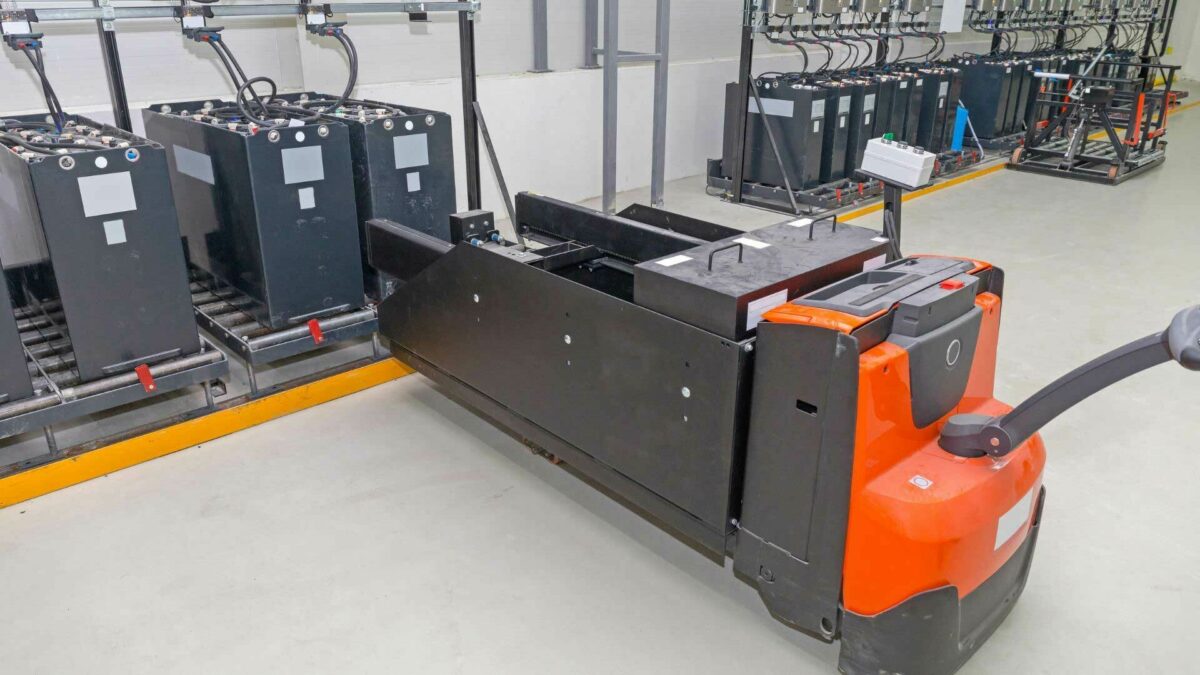
In material handling, maximizing efficiency while controlling costs is crucial for warehouse managers and logistics operators. When it comes to powering forklifts, pallet jacks, AGV's, and other essential equipment, the choice between lithium-ion and lead-acid batteries plays a major role in operational costs. While lead-acid batteries may have a lower upfront price, their long-term expenses can quickly add up. Let’s break down the true cost of ownership for both battery types and uncover why lithium batteries are a smarter investment in the long run.
Here are the elements that evaluate the true costs of using lithium batteries for material handling equipment:
- Upfront Cost
- Battery Lifespan
- Charging Time and Labor Costs
- Maintenance and Labor Costs
- Energy Efficiency and Labor Costs
- Total Cost of Ownership Compared to Lead-Acid
1. Upfront Cost: Lead-Acid Appears Cheaper, But There’s More to the Story
At first glance, lead-acid batteries cost less than lithium batteries for material handling equipment. A lead-acid battery for material handling can range between $150 and $1,500, while a comparable lithium battery may range between $700 and $2000. However, the initial purchase price is just one piece of the puzzle—what really matters is how costs accumulate over time. Additionally, lithium batteries can be discharged up to 100%, whereas most lead-acid batteries can only be discharged up to 50% without damaging the battery. As a result, you would have to purchase twice as many lead-acid batteries to achieve the same usable capacity as a lithium battery with the equivalent nameplate capacity.
2. Lifespan: Lithium Lasts 2–4 Times Longer
One of the most critical cost factors is battery lifespan. Lead-acid batteries typically last 300 to 500 charge cycles, while lithium batteries can deliver 3,000–5,000 charge cycles—often lasting 10 years in high-usage environments.
With lead-acid, businesses need to replace batteries multiple times within the same period that a single lithium battery would last. This leads to additional expenses in purchasing, installation, and disposal.
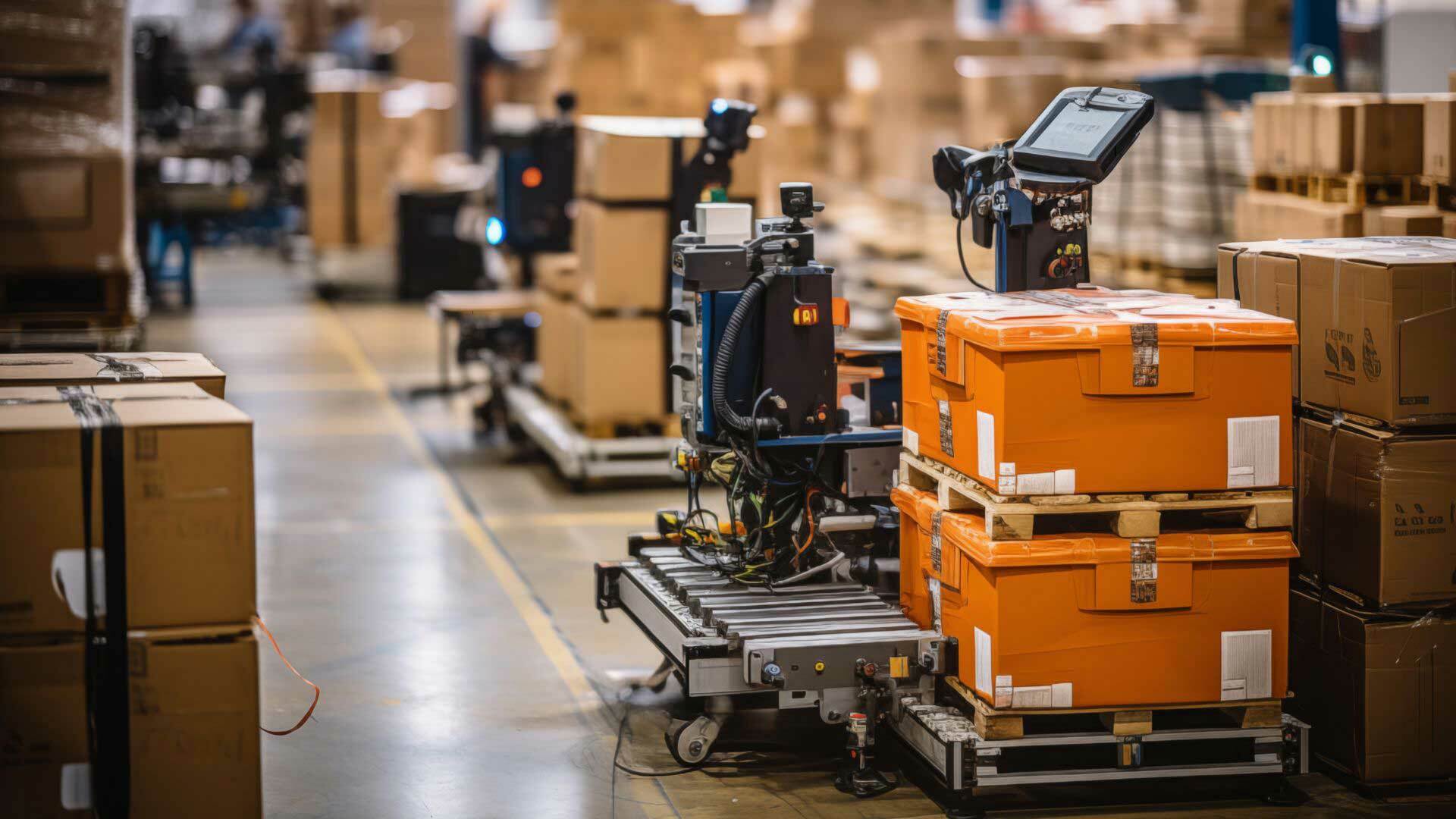
3. Charging Time & Labor Costs: Lithium Saves Hours of Downtime
Charging speed directly impacts productivity. Lead-acid batteries take 6–8 hours to fully charge and require an additional 8 hours to cool down before use. This means each battery swap can take over 12 hours per cycle.
On the other hand, lithium forklift, pallet jack, and AGV batteries charge in 2–4 hours and can be opportunity charged during breaks without affecting lifespan. No more battery swaps, cool-down periods, or extra labor costs associated with maintaining lead-acid charging stations.
The Cost of Downtime:
- Lead-Acid: Lost productivity during battery changes and cool-down
- Lithium: Faster charging means fewer work disruptions
For a warehouse operating multiple shifts, eliminating the need for extra batteries and labor hours can save thousands annually.
4. Maintenance & Hidden Costs: Lithium is Hassle-Free
Lead-Acid Requires:
- Regular watering to maintain electrolyte levels
- Cleaning & ventilation to prevent corrosion and hazardous gas buildup
- Battery swaps that require additional labor and storage space
Lithium Batteries:
- Zero maintenance—no watering, no corrosion
- No ventilation required—safe for indoor use
- Built-in Battery Management System (BMS) for real-time monitoring and efficiency
By eliminating labor-intensive maintenance, lithium batteries reduce hidden costs and operational disruptions.
5. Energy Efficiency & Electricity Costs
Lithium batteries are far more energy-efficient than lead-acid. They typically use 30% less electricity due to higher charge retention and minimal energy loss during charging. Over time, this significantly reduces energy bills, adding to overall cost savings.
6. Total Cost of Ownership Comparison
Cost Factor | Lead-Acid | Lithium-Ion |
Initial Cost | Lower ($150-$1,500) | Higher ($700-$2,000) |
Lifespan | 300–500 cycles | 3,000–5,000 cycles |
Charging Time | 6–8 hours + cool-down | 2–4 hours |
Maintenance | High (watering, swaps, cleaning) | None |
Energy Efficiency | Lower | 50%+ more efficient |
Overall Cost Over Time | Higher (replacement, labor, energy, maintenance) | Lower (longevity, efficiency, reduced labor) |
The Verdict: Lithium Delivers Long-Term Savings
While lead-acid batteries seem more affordable upfront, their ongoing costs in maintenance, downtime, and replacements make them more expensive in the long run. Lithium batteries pay for themselves over time by reducing operational costs, improving efficiency, and eliminating unnecessary downtime. For businesses looking to scale, switching to lithium is not just an upgrade—it’s an investment in long-term profitability.
Want to Make the Switch?
RELiON’s lithium batteries offer superior performance, reliability, and cost savings for material handling applications. Contact us today to learn how we can help optimize your fleet with cutting-edge battery technology.