
Battery technology has advanced significantly in recent years, with lithium batteries becoming the preferred choice for many applications, from renewable energy storage to marine and RV power solutions. However, to maximize performance and safety, a Battery Management System (BMS) is a critical battery system component. The BMS monitors and manages various aspects of battery operation, ensuring efficient and reliable performance. Understanding its role can help users prevent battery failures and extend battery life.
What is a Battery Management System (BMS)?
A Battery Management System is an integrated electronic system designed to regulate and protect lithium batteries. It monitors critical parameters such as voltage, current, temperature, and state of charge to maintain optimal performance. The BMS acts as a safeguard against overcharging, deep discharging, overheating, and other factors that can lead to battery degradation or failure.
Key Functions of a BMS in Preventing Battery Failures
A BMS performs several key functions that work together to monitor performance, protect against damage, and ensure long-term reliability. Below are some of the most important features that make this possible:
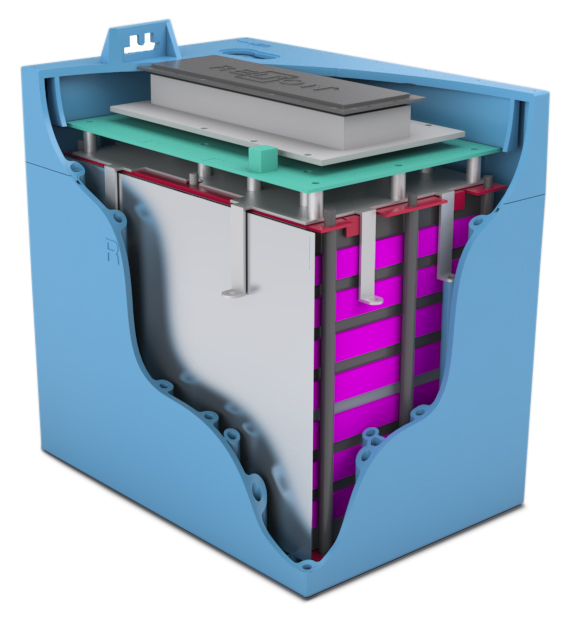
1. Overcharge and Over-Discharge Protection
Overcharging a battery can cause excessive heat buildup, leading to cell degradation and potential safety hazards. Conversely, deep discharging can damage battery cells, reducing their capacity and lifespan. A BMS prevents these issues by regulating charge and discharge cycles, ensuring the battery operates within a safe voltage range.
2. Temperature Monitoring and Thermal Management
Temperature fluctuations can significantly impact battery performance. High temperatures accelerate battery aging, while extremely low temperatures reduce efficiency. The BMS continuously monitors battery temperature and, in some systems, can trigger cooling mechanisms or adjust charge rates to prevent thermal runaway and extend battery life.
3. Cell Balancing for Uniform Performance
Lithium battery packs consist of multiple cells that must work in harmony. Over time, variations in charge levels among cells can lead to imbalances, causing some cells to degrade faster than others. The BMS actively balances the charge across all cells, preventing weak cells from becoming overworked and ensuring consistent performance.
4. Short-Circuit and Overcurrent Protection
Short circuits and excessive current draw can damage a battery and create safety risks. A BMS detects abnormal current levels and can disconnect the battery to prevent damage. This feature is particularly important in applications with fluctuating power demands, such as solar energy storage and electric vehicles.
5. State of Charge (SOC) and State of Health (SOH) Estimation
Accurately determining a battery’s remaining charge and overall health is essential for reliable operation. The BMS calculates the SOC to provide users with real-time information on battery levels, helping prevent unexpected power loss. Additionally, it assesses the SOH to detect early signs of capacity degradation, allowing proactive maintenance before failures occur.
6. Communication with External Systems
Modern BMS units often feature communication capabilities that allow integration with monitoring software, controllers, and other power management systems. This enables remote monitoring, diagnostic reporting, and automated alerts, ensuring users can take timely action to prevent failures.
Why a BMS is Essential for Lithium Batteries
Unlike lead-acid batteries, which are more forgiving to charging inconsistencies, lithium batteries require precise management to operate safely and efficiently. Without a BMS, lithium batteries are vulnerable to overcharging, over-discharging, and temperature extremes—all of which can lead to failure or safety risks. Investing in a high-quality BMS not only protects the battery but also maximizes its performance and longevity, ultimately saving users from costly replacements and downtime.
At RELiON, all of our lithium batteries come equipped with a built-in BMS that safeguards against common risks like overcharging, deep discharging, overcurrent, and overheating. While some lithium battery systems rely on external BMS units, our integrated solution offers a more streamlined, reliable, and user-friendly experience—ideal for applications such as marine, RV, and off-grid power systems.
Our engineering team has designed the RELiON BMS to deliver both safety and performance, ensuring balanced cells, real-time system protection, and dependable power delivery even in the most demanding conditions. When researching lithium batteries, it’s important to review each product’s BMS features to ensure you're selecting a solution that offers the right level of protection and functionality for your needs.
For more insights on lithium battery technology and how to choose the right energy storage solution, get in touch with a technical expert at RELiON.