
As global temperatures rise and heat waves become more frequent, managing energy consumption effectively is crucial. Not only does this help in reducing your energy bills, but it also plays a significant role in easing the strain on the power grid and reducing your carbon footprint. Here are seven practical energy tips to help you stay cool and energy-efficient during heat waves.
- Optimize your air conditioning
- Enhance your home's insulation
- Use batteries to maintain power & reduce costs
- Use fans strategically
- Optimize for natural ventilation
- Reduce heat from appliances
- Embrace energy-saving habits
1. Optimize Your Air Conditioning
Air conditioners are essential during heat waves, but they can also be major energy consumers. To optimize your air conditioning:
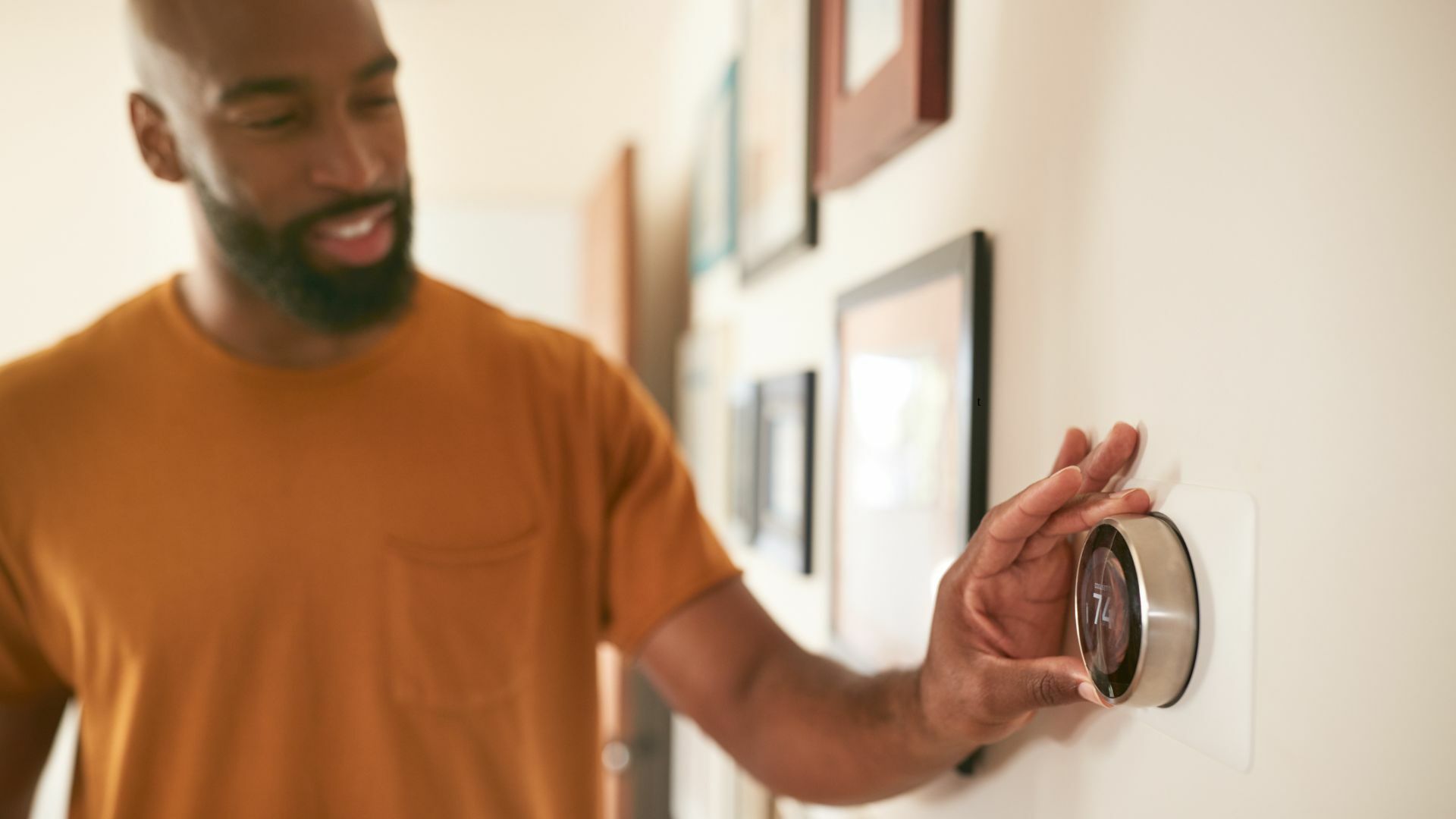
- Set the Thermostat Wisely: Keep your thermostat set at a comfortable but efficient temperature, ideally around 78°F (25°C). Every degree below this can increase your energy use by about 6-8%.
- Use Programmable Thermostats: If you have a programmable thermostat, set it to increase the temperature when you're not at home and lower it when you return. Consider having a programmable thermostat installed if you don’t yet have one.
- Maintain Your AC Unit: Clean or replace air filters regularly to ensure efficient airflow and reduce strain on the system. Ensure that the unit is serviced annually to maintain its efficiency. A clogged air filter can significantly reduce the efficiency of your HVAC system by up to 50%.
2. Enhance Home Insulation
Proper insulation helps keep your home cool by preventing cold air from escaping and hot air from entering. Consider these tips:
- Seal Leaks: Check for gaps around windows, doors, and ducts. Use weather stripping and caulking to seal leaks and prevent air exchange. Fixing air leaks can result in energy savings of 5 to 20%. This is because air leaks can account for 30 to 40% of a home's heating and cooling loss, and they can also damage insulation.
- Insulate Attics and Walls: Adding insulation to your attic and walls can significantly reduce cooling costs by maintaining a stable indoor temperature. The EPA estimates that homeowners can save 11 to 15% on their total energy costs by adding insulation to their attics, basements, and floors over crawl spaces.
- Install Reflective Barriers: Use reflective or radiant barriers in the attic to reflect heat away from your home.
3. Use Batteries to Maintain Power & Reduce Costs
One of the most reliable ways to both reduce your utility bill & ensure you have power during heat wave-induced power outages involves making use of lithium battery power systems - with or without solar energy.
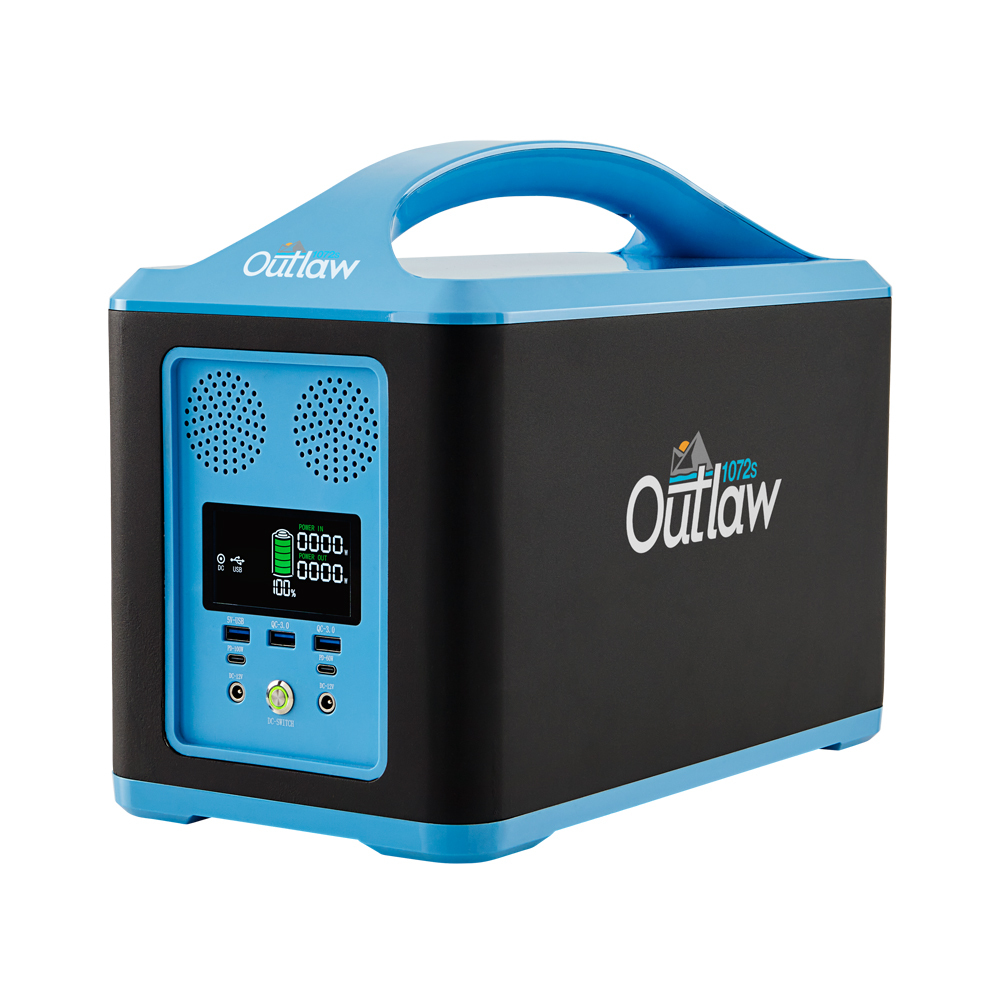
- Portable Power Station: Make sure you have a fully charged portable lithium battery power station so that you never go without power. Even without recharging these systems, many can last you for several days. You can also pair these with portable solar panels for convenient and efficient recharging in the event of prolonged outages. Additionally, you can charge these systems during off-peak times & use them during peak times to reduce your energy bills. The portable RELiON Outlaw 1072S is just 32 pounds and can charge anything from personal electronics to TVs and refrigerators. This power station also uses the safest, most environmentally benign lithium iron phosphate chemistry.
4. Use Fans Strategically
Fans use less energy than air conditioners and can be very effective in cooling your home when used correctly.
- Ceiling Fans: Set ceiling fans to rotate counterclockwise to create a cooling breeze. This allows you to raise the thermostat setting by about 4°F without sacrificing comfort.
- Portable Fans: Use portable fans in conjunction with your air conditioner to distribute cool air more effectively and reduce the need for the AC to run continuously.
- Exhaust Fans: Use exhaust fans in kitchens and bathrooms to remove heat and humidity, reducing the load on your air conditioner.
5. Embrace Natural Ventilation
When the outside temperature drops in the evening or early morning, take advantage of natural ventilation.
- Open Windows: Open windows and doors to create a cross-breeze and allow cooler air to flow through your home.
- Use Window Coverings: During the day, keep curtains, blinds, and shades closed on windows receiving direct sunlight. This can reduce indoor temperatures by up to 20°F.
6. Reduce Heat from Appliances
Appliances generate heat, which can make your air conditioner work harder. To minimize this:
- Limit Oven Use: Avoid using the oven and stove during the hottest parts of the day. Opt for a microwave, slow cooker, or outdoor grill instead.
- Use Energy-Efficient Appliances: Choose appliances with the ENERGY STAR label, as they use less energy and generate less heat.
- Unplug Devices: Unplug electronics and appliances when not in use, as they can generate heat even when turned off. Consider using power strips for easy on/off switching.
7. Implement Energy-Saving Habits
Small changes in your daily routine can lead to significant energy savings:
- Switch to LED Bulbs: LED bulbs produce less heat and use up to 75% less energy than incandescent bulbs.
- Wash with Cold Water: Use cold water for laundry whenever possible. Hot water accounts for about 90% of the energy used in washing clothes.
- Run Appliances During Off-Peak Hours: Run dishwashers, washing machines, and dryers during the early morning or late evening when temperatures are cooler and energy demand is lower.
By implementing these energy-saving tips, you can stay comfortable during heat waves while reducing your energy consumption and environmental impact. If you have any questions about portable lithium battery power stations, get in touch with a technical expert at RELiON.