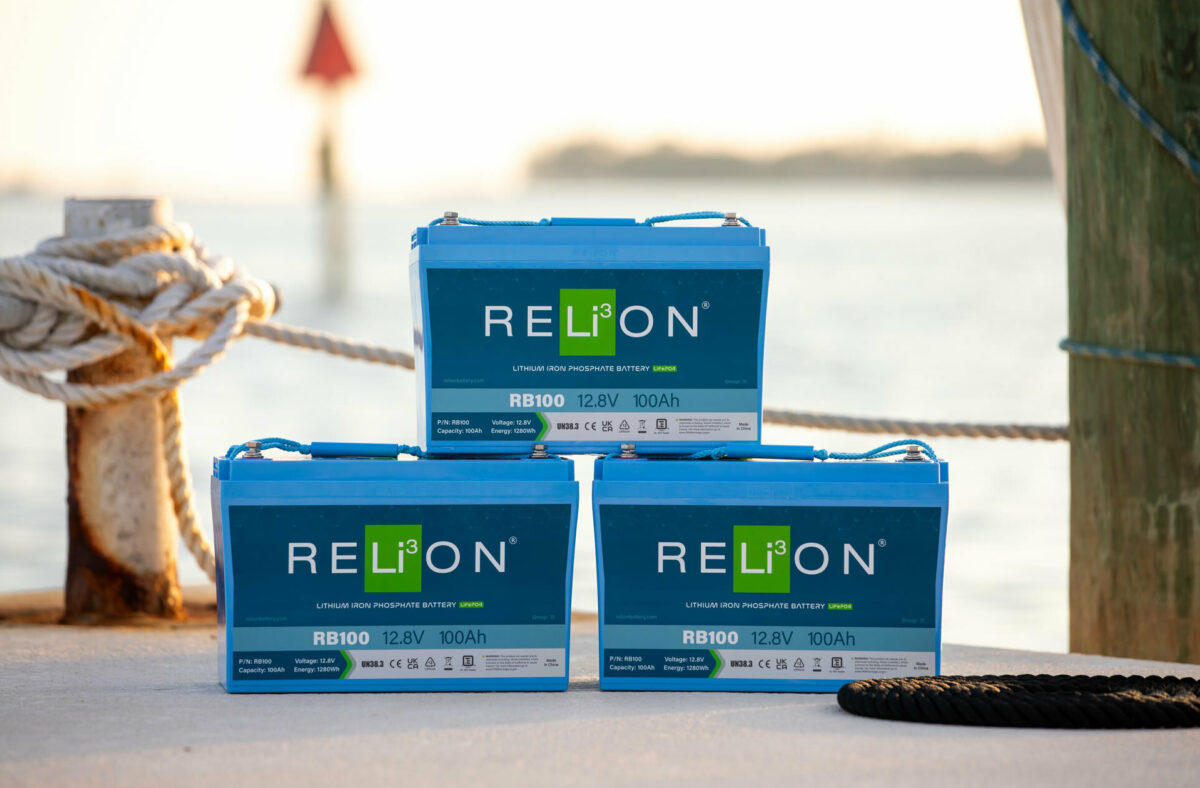
Equipping your sailboat with lithium batteries can significantly enhance its performance, providing reliable power for various onboard systems. Lithium batteries are known for their efficiency, lightweight nature, and long lifespan. To make the most of this advanced technology, consider the following four tips when powering your sailboat with lithium batteries.

1. Evaluate Your Power Requirements
Understanding your sailboat’s power needs is the first step in choosing the right lithium battery system. Conduct a comprehensive audit of all electrical devices and systems onboard. This includes navigation equipment, lighting, communication devices, refrigeration, and entertainment systems. Here’s how to evaluate your power requirements:
- List Devices: Make a detailed list of all electrical devices you use regularly.
- Determine Usage: Calculate the power consumption of each device, typically measured in amp-hours (Ah) or watt-hours (Wh).
- Daily Consumption: Estimate the total daily energy consumption to ensure you choose a battery with adequate capacity.
You can also use this free battery system calculator to help you determine your needs. Having a clear picture of your power requirements will help you select the right size and number of lithium batteries, ensuring you have enough power for your voyages without overloading your system.
2. Understand the Different Types of Lithium Battery Chemistries
Battery chemistry is important because there are inherent safety and performance risks associated with different chemistries. These are crucial factors if you anticipate relying on these battery systems while out at sea. As a primer, lithium batteries can be divided into two categories: cobalt-based and non-cobalt-based. Consumers are most familiar with cobalt-based lithium batteries, which are prevalent in cell phones and laptops. Examples of these batteries include:
- NMC: Nickel manganese cobalt
- LCO: Lithium cobalt oxide
- NCA: Nickel cobalt aluminum oxide
Cobalt-based lithium batteries do not have strong covalent bonding and are prone to thermal runaway and fire, unlike non-cobalt-based lithium batteries, such as lithium iron phosphate (LFP or LiFePo4). LFP batteries are one of the most recent and advanced types of lithium batteries. They are the safest lithium batteries available today. Companies like RELiON exclusively offer LFP batteries for this reason.
3. Choose Marine-Grade Lithium Batteries
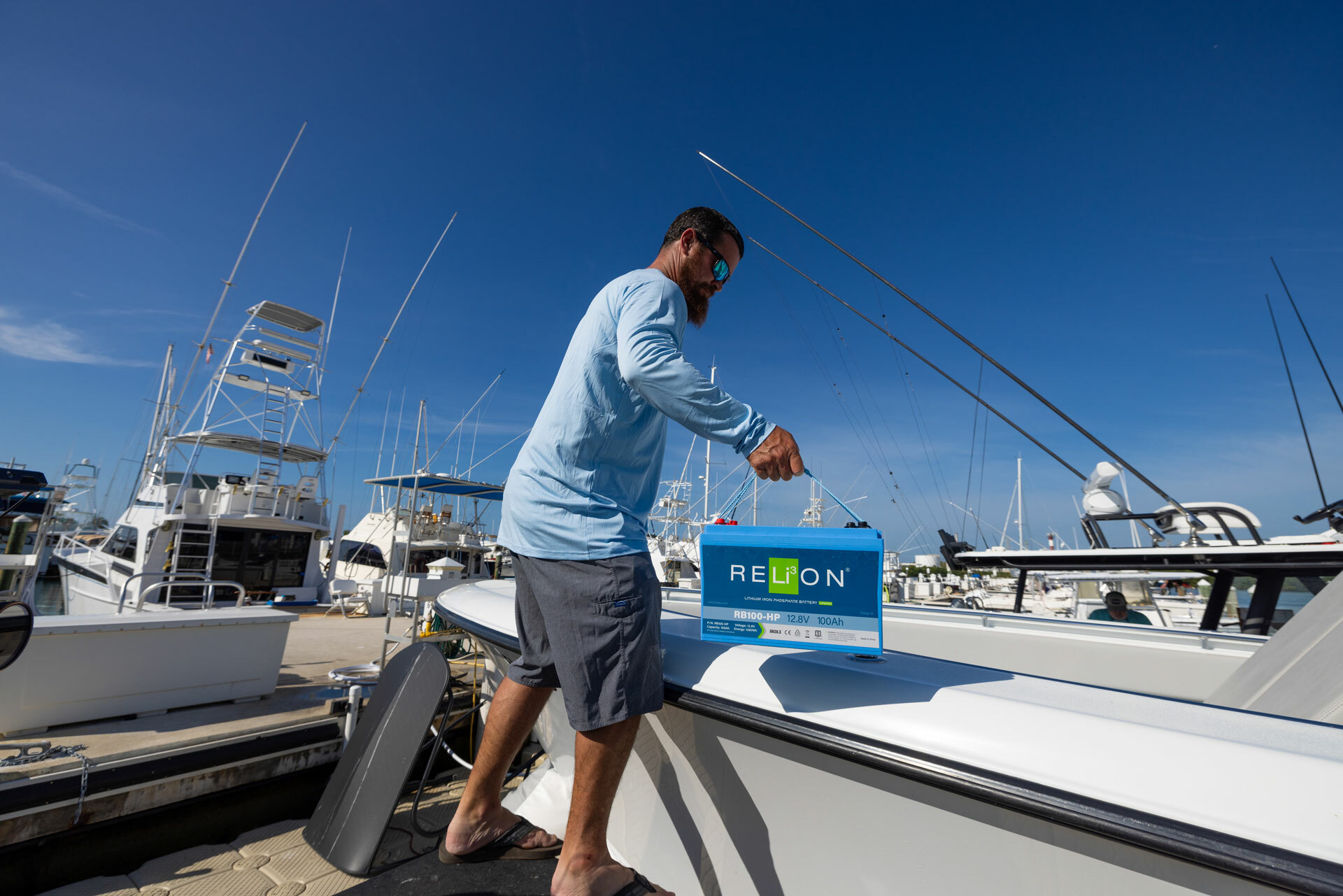
Not all lithium sailboat batteries have been tested and approved for marine use. It’s essential to choose batteries specifically designed for the harsh marine environment. Marine-grade lithium batteries offer features such as:
- Water Resistance: They are built to withstand exposure to moisture and salt water, reducing the risk of damage. For example, RELiON offers marine batteries that have an IP67-rated casing, which ensures water, dust, and splash resistance. A rating of IP67 also ensures the highest possible protection against solids and one of the highest waterproof protection against liquids.
- Durability: These batteries are constructed to handle the vibrations and shocks common on sailboats. RELiON’s Battery Management System (BMS) is bolted to the heat sink, which reduces vibrations that commonly occur on boats, prevents accidental faults due to vibration, and extends the battery life. Its marine batteries also come with a steel battery bracket, which provides additional vibration and shock resistance.
Investing in marine-grade lithium batteries ensures your power system is reliable, safe, and long-lasting, providing you with a worry-free journey on the water.
4. Select Batteries with a Built-In Battery Management System (BMS)
A Battery Management System (BMS) is crucial for maintaining the health and safety of your lithium batteries. The BMS monitors and manages critical parameters, including voltage, temperature, and state of charge. All RELiON batteries come with a built-in BMS due to these benefits. Here’s why a comprehensive, built-in BMS is essential:
- Safety: The BMS prevents overcharging, over-discharging, and overheating, which are critical for the safe operation of lithium batteries.
- Performance Monitoring: It provides real-time data on battery status, allowing you to monitor performance and make informed decisions about power usage.
- Balancing: The BMS ensures all battery cells are balanced, preventing individual cells from becoming overcharged or undercharged.
Upgrading your sailboat’s power system to lithium batteries can offer substantial benefits, including improved efficiency, longer lifespan, and reduced weight. By evaluating your power requirements, understanding the different types of lithium battery chemistries, choosing marine-grade batteries, and selecting batteries with a built-in BMS, you can ensure your sailboat’s electrical system is robust, reliable, and safe. If you have any questions about powering your sailboat with lithium batteries, get in touch with a technical expert at RELiON.